Studying abroad is a transformative decision, shaping not only one’s education but also personal and professional horizons. For decades, the United States has stood out as the preferred destination for international students, including those from Nepal, India, Bangladesh, Bhutan, Pakistan, Sri Lanka, and beyond. But what makes the USA so appealing to learners from across the globe? The answer lies in a combination of academic excellence, diverse opportunities, and long-term career potential.
The reputation of American universities is often the first reason students cite when choosing the USA. Institutions like Harvard, MIT, Stanford, and UC Berkeley are not only globally recognized but also consistently rank among the top universities worldwide. A degree from a reputable US university carries weight across borders, ensuring that students’ academic achievements are acknowledged internationally. For Nepalese students and other aspiring international learners asking, “why do you want to study in USA?”, the answer is clear: it is the promise of a high-quality, globally recognized education that can open doors to further studies, scholarships, and career opportunities.
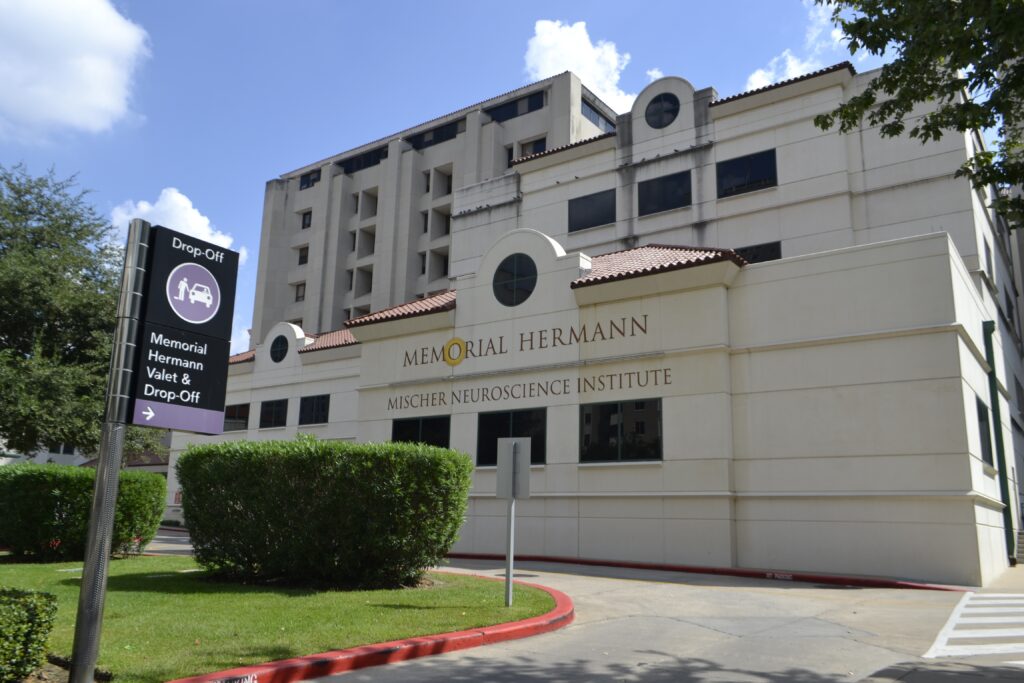
Another compelling aspect is the incredible breadth of academic programs and specializations available. Students in the USA can pursue degrees in fields ranging from Engineering, Business, and Technology to Healthcare, Arts, and Applied Sciences. The American education system’s flexibility allows learners to combine majors and minors, explore interdisciplinary courses, and tailor their studies to both personal interests and professional goals. For many international students, including Nepalese, knowing the requirements to study in USA or understanding how much GPA is required to study in USA is just part of the planning; the real value comes from the freedom to design an education that aligns with one’s career aspirations.
Research and innovation are deeply embedded in the US academic culture. From undergraduate programs to doctoral studies, students are encouraged to engage in hands-on projects, laboratory work, and internships that bridge theory with real-world application. For those seeking to study IT in USA or develop careers in technology, engineering, or scientific research, this practical exposure is invaluable. By participating in projects and collaborating with faculty on cutting-edge research, international students gain both knowledge and experience, enhancing their professional readiness and employability.

The global recognition of a US degree further strengthens its appeal. Accreditation from prestigious bodies such as the Higher Learning Commission ensures that the education provided meets rigorous quality standards. For international students, including those from South Asia, this global acceptance means that their degree will hold value whether they choose to pursue further studies, work abroad, or return home. This level of credibility is one of the reasons why the USA has maintained its position as a leading study destination for over a century.
Cultural diversity is another key factor. American universities attract students from every corner of the world, creating a vibrant, multicultural environment. Exposure to different perspectives, traditions, and ideas enhances both personal growth and professional skills. For Nepalese students, and others seeking a global learning experience, studying in the USA provides an opportunity to build lifelong networks, develop cross-cultural communication abilities, and gain insights into global business and society.
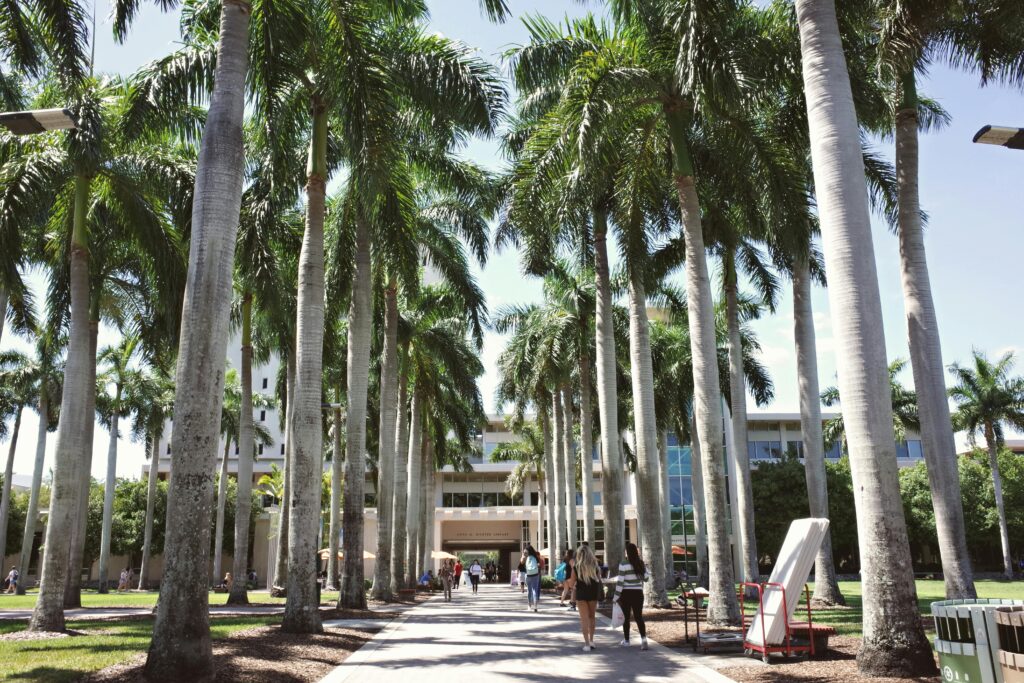
Career preparation is deeply integrated into the American higher education experience. Universities maintain strong connections with industries, offering internships, co-op programs, and research collaborations that often continue into employment opportunities. Programs like Optional Practical Training (OPT) allow students to gain work experience in the USA after graduation. This seamless link between education and employment is a major reason why studying in USA for international students is considered an investment in both education and career development.
The holistic approach to learning is also unique. Beyond academics, US universities encourage students to engage in clubs, leadership programs, research groups, and community initiatives. This not only nurtures academic abilities but also fosters life skills such as leadership, teamwork, and adaptability. For students from Nepal, who often wonder how much does it cost to study in USA, understanding that universities consider a combination of grades, skills, and extracurricular achievements is crucial. This holistic evaluation offers a more complete picture of a student’s potential, beyond simple numbers.
While the cost of studying in the USA can vary depending on the institution and program, numerous scholarship options, assistantships, and financial aid opportunities make it feasible for international students to pursue their dreams. Planning and research allow students to manage expenses effectively while taking advantage of the high return on investment that US education offers.

Finally, a US degree provides a pathway to global careers. The combination of academic excellence, professional exposure, networking, and internationally recognized credentials positions graduates for success worldwide. Studying in USA for Nepalese students and other international learners is not just about earning a degree—it is about building a foundation for lifelong achievement, global mobility, and professional growth.
In conclusion, the United States continues to lead as the most sought-after destination for international students because it offers more than just education. It provides a platform to develop academically, professionally, and personally, fostering innovation, diversity, and global connectivity. Whether you are exploring programs in Business, IT, Engineering, Healthcare, or Science, studying in the USA is a strategic decision that can shape your future in profound ways.