For more than a generation, the United States was seen as the foremost destination for students from around the world, from South Asia to Africa, Southeast Asia to the Middle East. Studying in the USA was not just about higher education, it was about opportunity, mobility, and future careers that could span the globe. Yet, over the past few years, particularly under the renewed Trump administration, immigration rules have shifted in ways that deeply affected global aspirations, reshaping how students view the American dream of studying abroad.
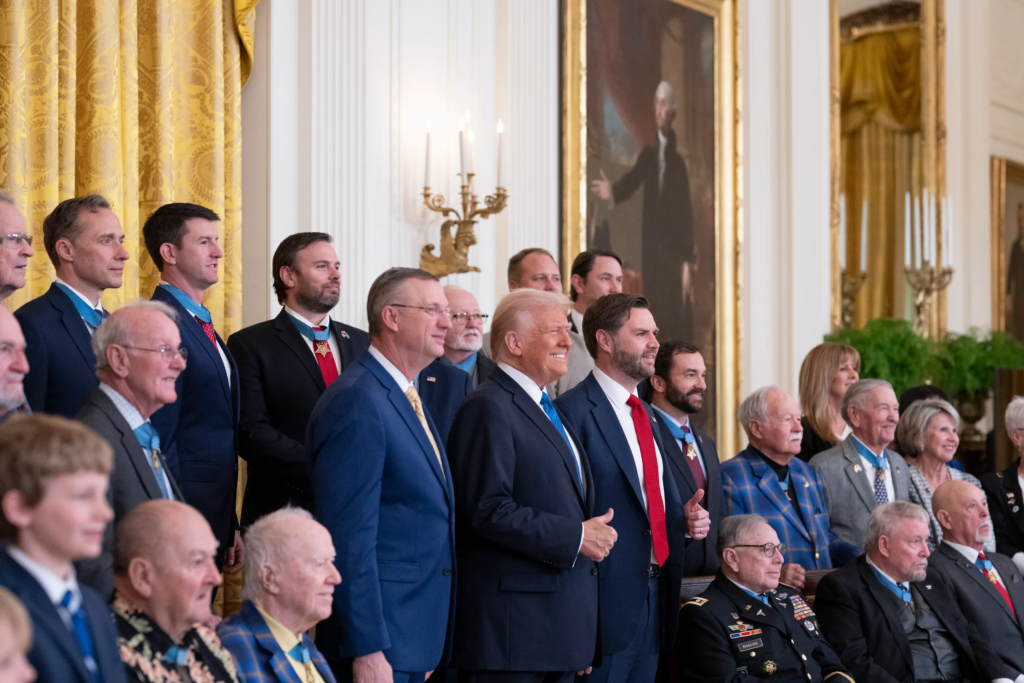
When Donald Trump returned to the White House, his campaign and early executive actions signaled a continuation of a theme from his first term, a tough approach to immigration grounded in national security and border control. What began as rhetoric about shutting down borders, protecting jobs, and strengthening national sovereignty quickly translated into concrete policy changes affecting not only permanent residents and workers, but also international students seeking to study in USA from Nepal, India, Bangladesh, Pakistan, Sri Lanka, and other countries. This shift unfolded as a series of regulatory decisions, some highly publicized and others quietly embedded in bureaucratic processes, aimed at tightening who could enter and remain in the United States.
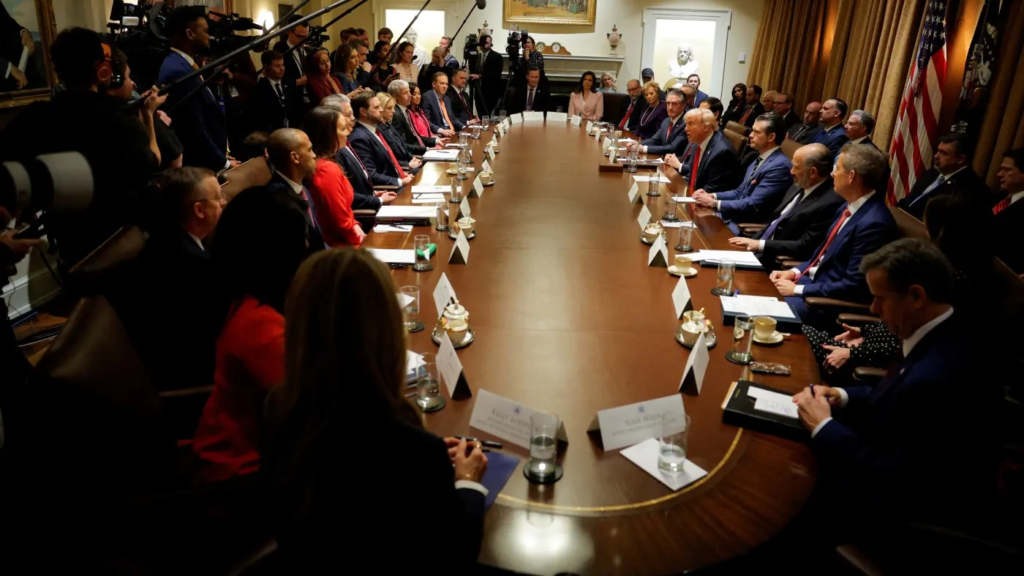
One of the earliest and most impactful actions was the suspension or limitation of visa interviews and processing in many countries. Reports surfaced that new student visa interviews were effectively paused for months, leaving hopeful applicants in limbo and blocking others from securing a slot to submit their paperwork. The U.S. Department of State instructed embassies to halt scheduling student visa interviews unless previously arranged, a break from the longstanding practice of issuing appointments regularly, a move that left many students and families confused, worried, and reconsidering their plans to study in USA for international students.
At the same time, the administration expanded vetting measures that applied not just to work visas, but also to student visas, including F-1, J-1, and M-1 categories. Enhanced background checks, including social media scrutiny, compulsory disclosure of digital footprints, and deeper investigation of personal histories, became part of the application process. Although justified in the name of national security, students around the world interpreted these measures as signals that the U.S. was becoming a more difficult place to gain entry, especially for those who hoped to pursue long-term academic and professional goals.
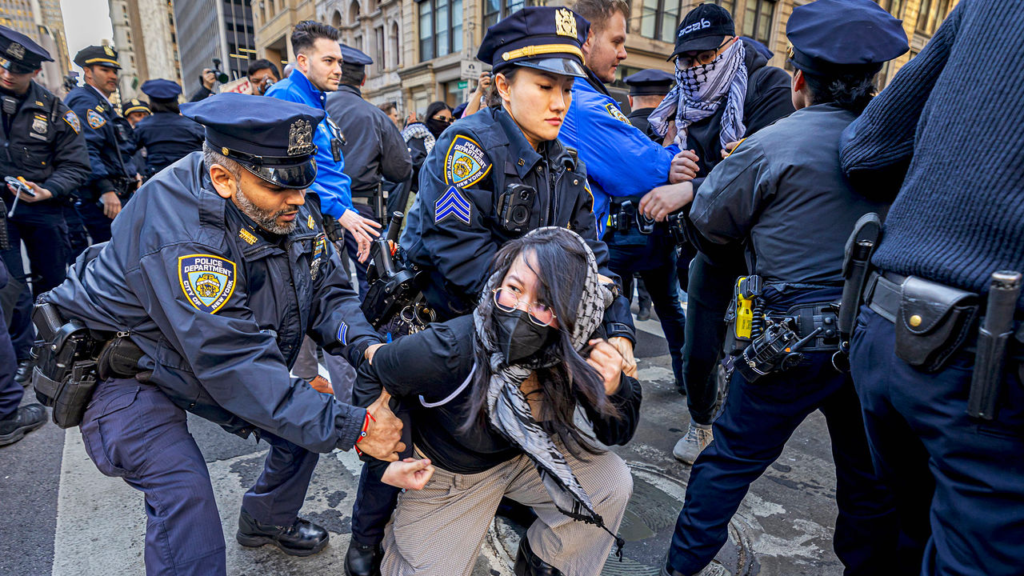
More striking, and anxiety-inducing, were waves of visa revocations. The U.S. State Department canceled thousands of previously issued visas, including many student visas, under broad criteria tied to public safety and national interest considerations. Over 6,000 student visas alone were revoked, including some on minor legal grounds and in other cases related to political activity or alleged security concerns. These policies reverberated well beyond U.S. borders, with data from mid-2025 showing student visa arrivals at their lowest in years, numbers not seen since the disruption caused by the COVID-19 pandemic. Though international student arrivals are influenced by many factors, the most profound declines were among applicants from Asia and Africa, who historically represent the largest contingents of foreign learners heading to American campuses. Students from India, who once made up one of the largest groups of F-1 visa holders, saw drops approaching nearly half. Underlying these declines were both actual policy barriers, like fewer interviews and longer processing times, and the perception that studying in the USA had become riskier and less welcoming.
That perception matters. For students in Nepal and other countries, reevaluating plans to study in USA for international students is not just about academic preferences, it is about stability, personal safety, and confidence in a future pathway. Reports from Nepal indicated that many students cancelled plans, delayed applications, or paused preparations for standardized tests like IELTS or TOEFL because of visa uncertainty. Some even considered domestic alternatives or shifted focus to countries like Canada or the UK, which have more student-friendly immigration frameworks.
Beyond interviews and revocations, the Department of Homeland Security proposed changes that would fundamentally alter the student visa landscape. One such regulation would limit the duration of stay on F-1 visas to a fixed maximum, typically about four years, rather than allowing students to remain for the full length of their programs under “duration of status.” If enacted, this would impact students pursuing extended degrees or those transitioning between programs. Critics argue such restrictions could undermine the flexibility that made U.S. education attractive in the first place.
Why did these policies gain traction? Much of the rationale presented by the Trump administration tied immigration controls to national security, public safety, and protecting American jobs. Broad vetting initiatives, including enhanced background checks and social media scrutiny for all visa categories, were framed as necessary to prevent fraud, terrorism, or security threats. However, many policy experts, educators, and international advocates argue that these measures were overly broad, capturing ordinary students in a net intended for high-risk evaluations. The result has been procedural complexity and a chilling effect on the flow of talented young minds into the U.S. educational system.
The effects have been tangible. Universities that once thrived on international enrollment, vital for both cultural diversity and financial sustainability, have reported enrollment declines, with some publicly acknowledging significant drops in international graduate students. The economic impact extends beyond classrooms, affecting research output, campus innovation, and local economies that benefit from international student spending. Cities and colleges that relied on tuition revenue from overseas learners face unexpected gaps in budgets and program support.
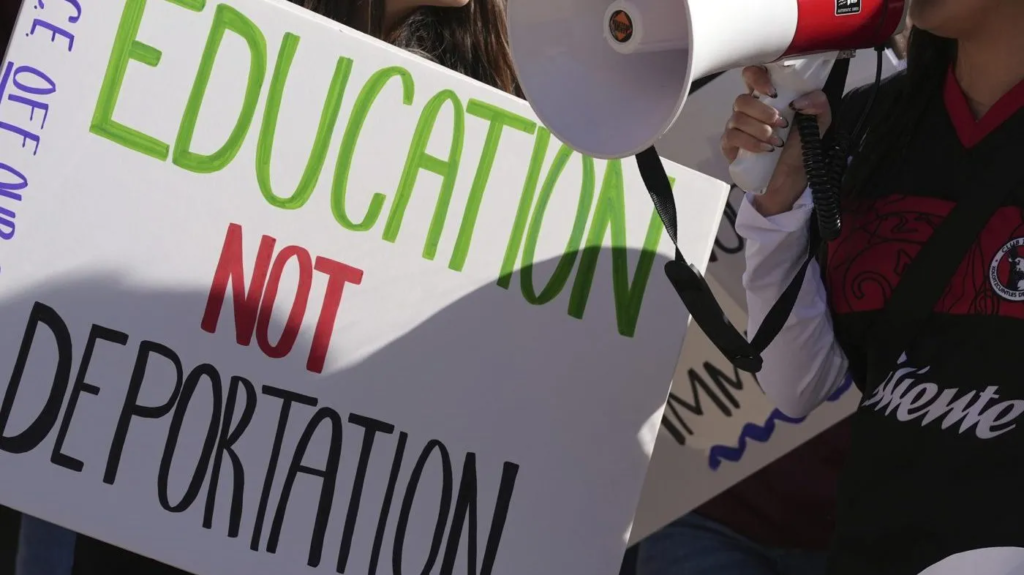
In the global education market, the United States now faces stronger competition. Countries like Canada, Australia, Germany, and the UK have positioned themselves as alternatives for students who want high-quality degrees with less uncertainty around visa and immigration stability. For many promising students, including Nepalese applicants eyeing programs in STEM, Business, Healthcare, or the Arts, the question has shifted from “why study in USA?” to “should I?” as they weigh visa timelines, job opportunities post-graduation, and long-term residency prospects.
Yet, it is not all bleak. Some data points, like record F-1 visa approvals for Nepali students earlier in 2025, illustrate that demand has not disappeared entirely. Even against stringent policies, students continue to pursue their goals with resilience and determination, though with more caution, planning, and consideration of alternatives.
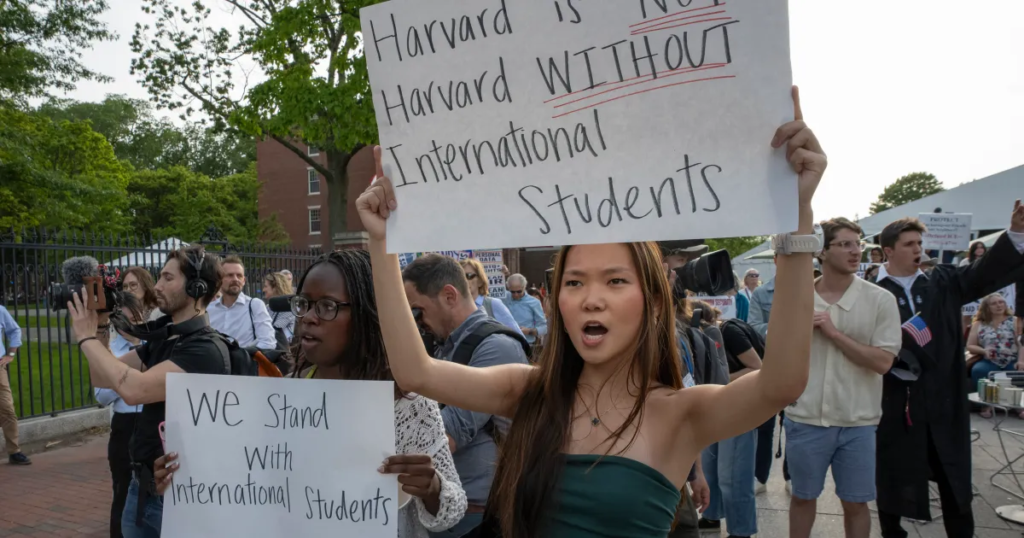
Today’s scenario for students remains nuanced. Immigration rules are still in flux, with proposed regulations under review and public comment periods ongoing. University legal teams and international education advocates are challenging aspects of the policies in court, and some procedural adjustments have been made in response to backlash. But the uncertainty has already left a mark on global perceptions of the U.S. as a study destination that once seemed universally desirable.
The Trump administration’s immigration overhaul was rooted in political priorities centered on security and control, but its ripple effects have reached far beyond policy circles into the hearts of young students planning their academic futures. The broader lesson is that global education is deeply sensitive to national policy climates, and shifts in immigration rules can reshape not just numbers, but aspirations, economies, and the contours of international academic mobility.